


Welcome to Issue #101 of The German Autopreneur.
German automakers just wrapped up 2025 with their worst earnings in years.
The main reason? China.
BMW, Mercedes, and Volkswagen sold fewer than 3.9 million cars there combined. The lowest in 13 years. Volkswagen dropped to third place in China. Behind BYD and Geely.
Sounds like the beginning of the end.
But something surprising just happened.
Major American investment banks are upgrading German auto stocks. Goldman Sachs now recommends buying BMW and Mercedes. Just months ago, they warned against these same stocks. Now they're suddenly optimistic.
What do they know that we don't? Are we about to see a turnaround in 2026?
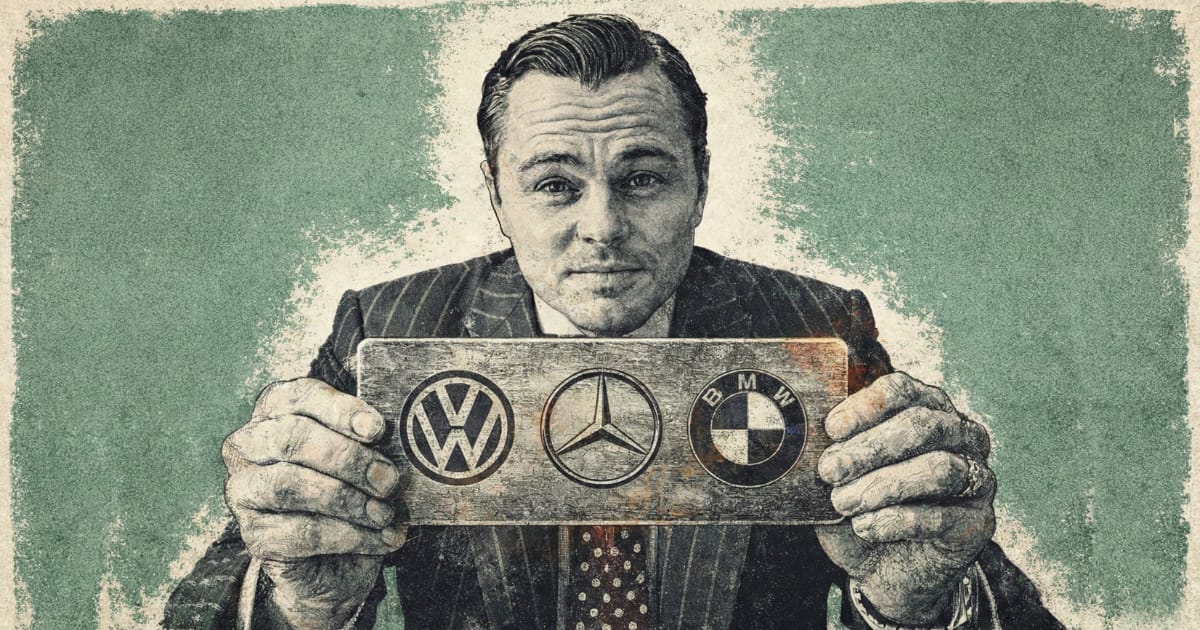
The Bet Nobody Expected
You might think investors are betting on a German comeback in China.
But they're not.
Goldman Sachs, Morgan Stanley, UBS, Barclays, Bernstein. One pattern runs through all their analyses: Nobody expects traditional German brands to recover in China.
Quite the opposite. Goldman Sachs ran a scenario: What happens if the China business for BMW, Mercedes, and Volkswagen completely collapses? Zero profit from China?
The surprising result: Even then, BMW and Mercedes would be undervalued at current stock prices.
Volkswagen is different. They need China the most.
Analysts call this "China-Free Valuation." The idea: The market has punished German auto stocks so brutally that it already values China at zero.
Some go further. They say the market values China negatively. As a loss-making business that will eat profits from Europe and the US.
So the real bet isn't: Will China come back? It's: Can BMW, Mercedes, and Volkswagen remain profitable without China?
The China Crash
China was the cash cow for German automakers.
2016 and 2017 were peak years. Volkswagen's joint ventures contributed between €4 and €5 billion to group profit. Every year. Almost one-third of total group earnings.
2023? Just €2.6 billion. 2025 is expected to drop below €1 billion.
We know the causes: BYD's rise. The EV price war. And a fundamental shift in what Chinese buyers consider "premium."
Volkswagen faces the biggest problem in China. They're seen as outdated there. Technologically behind. Something for your parents' generation. The catch? The average new car buyer in China is in their mid-30s.
What Investors Expect
Optimistic analysts see three factors for 2026:
Europe stabilizes. The market barely grows, but it's not shrinking either. They expect slight growth in 2026
US as the stress test. The US market is large enough to partially offset China losses. If German brands grow there in 2026, they might survive without China.
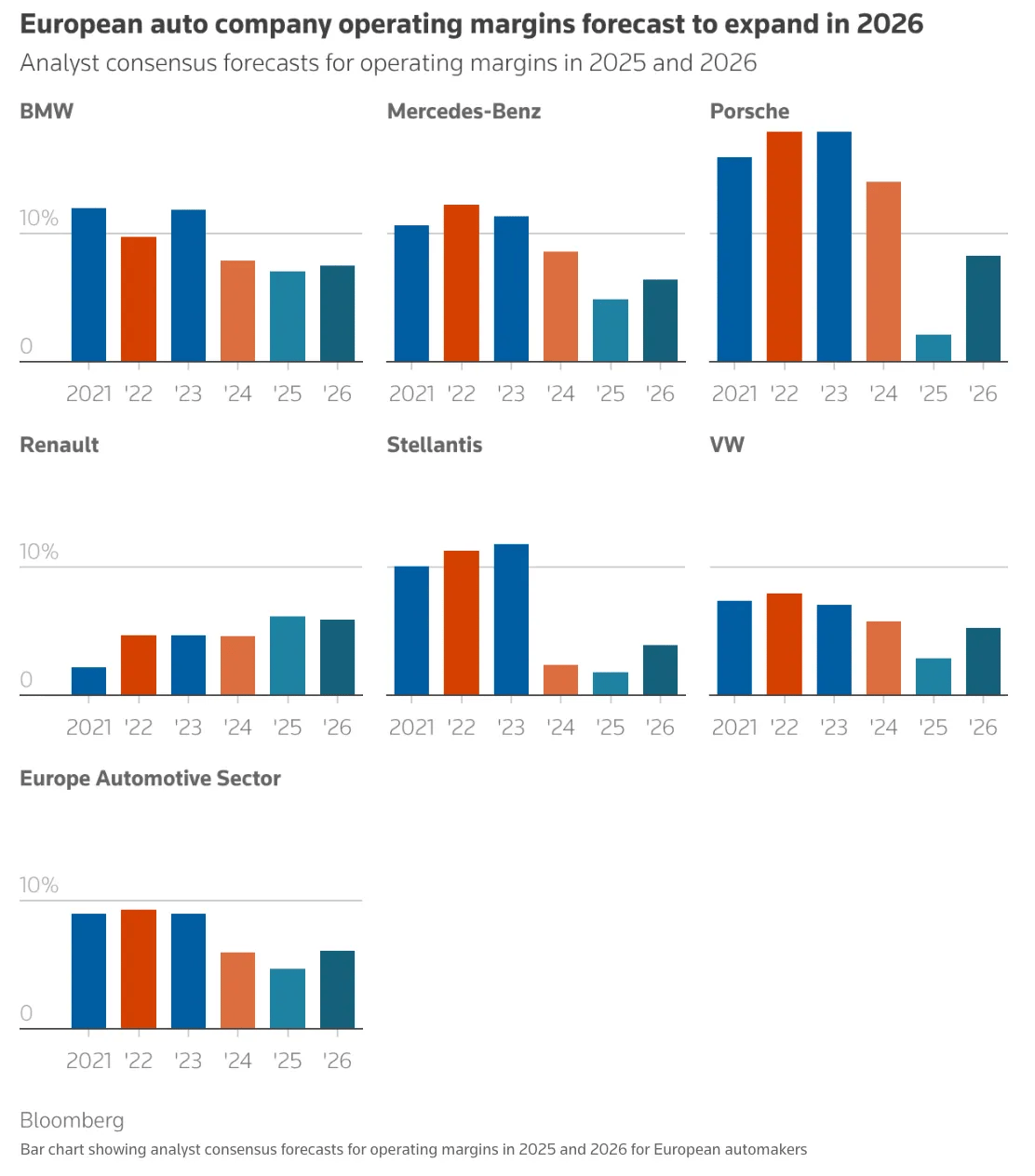
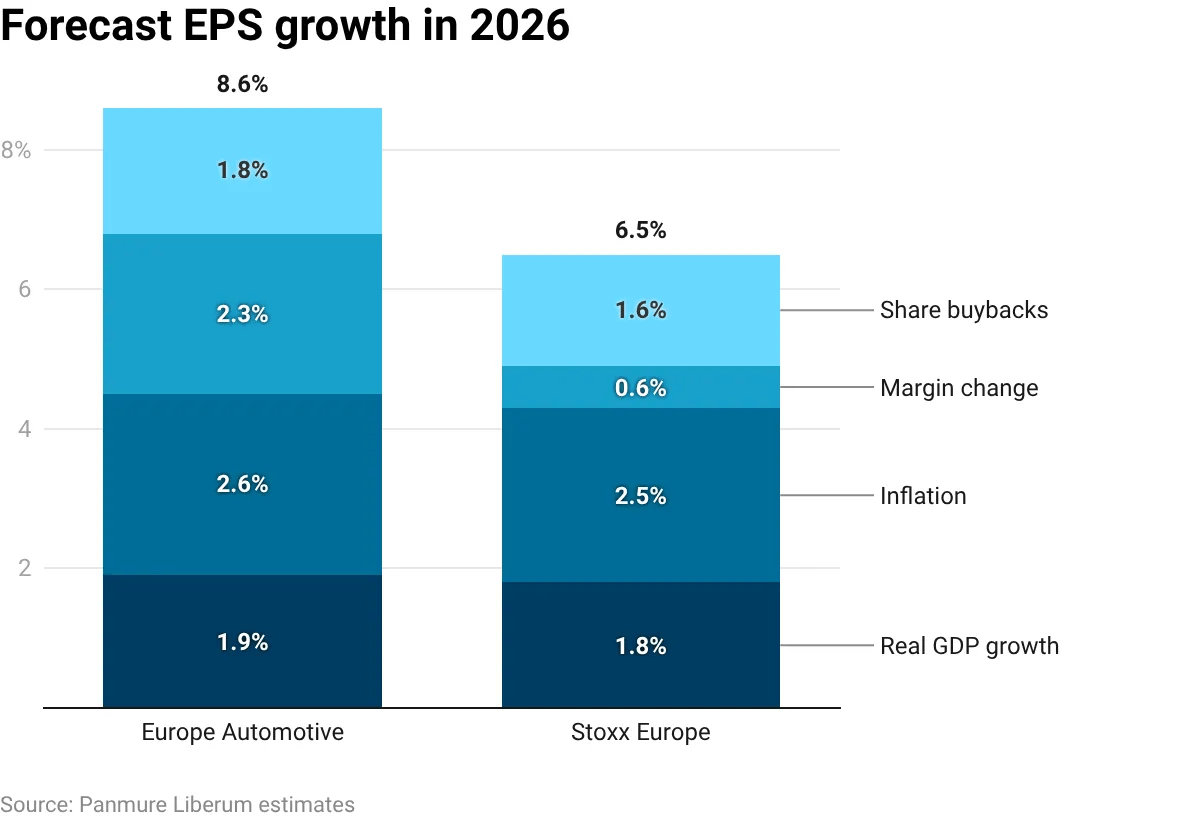
Cost-cutting programs deliver results. Mercedes launched a €5 billion savings program. Volkswagen is cutting 35,000 jobs. BMW is targeting similar savings.
The logic: Cut costs faster than revenue falls, and margins improve. Even without growth. For the first time in 2 years, profit forecasts for German automakers are going up again.
But they're overlooking something.
The New Models
Investors are betting on cost-cutting. But something else happens in 2026.
BMW, Mercedes, and Volkswagen are launching their most important new models in years. These cars are make-or-break. If they fail, so does the turnaround story.
BMW: The iX3. First model of the "Neue Klasse"
Mercedes: The electric CLA and GLC
Volkswagen: An entire portfolio with Chinese partners
The key question: When do these models arrive? And when will the effects show?
BMW and Mercedes expect real impact only in Q3 and Q4 2026. For Volkswagen, we're talking late 2026.
Mercedes and BMW shared 2026 forecasts with their suppliers. Each expects fewer than 500,000 vehicles in China. That's a roughly 20% drop from 2025. Back to levels from 10 years ago.
Meanwhile, Chinese manufacturers are planning for 2026:
Huawei's auto alliance HIMA: 1.3 million (+120%)
Nio: 460,000 (+40% to 50%)
Xiaomi: 550,000 (+34%)
The message is clear.
Even Mercedes and BMW aren't expecting a turnaround from these models. The goal is more modest. Slow the decline. And hopefully find a floor.
My Take
The stock market has decided. It no longer values German automakers' China business as an opportunity. But as a liability.
BMW, Mercedes, and Volkswagen disagree. They refuse to give up China and keep investing. Their goal: Find a floor.
The market punishes them for it. The message is clear: Stop burning money in a losing battle.
But even Wall Street is divided. Two camps face each other:
The optimists bet on profitable downsizing. Smaller but more profitable. Their bet: Retreat from China, focus on Europe and the US.
The pessimists warn of a value trap. The stocks look cheap but aren't. Behind the price is structural decline. No turnaround coming.
They say: Without China volumes, economies of scale disappear. Cost per car rises. Lose China, lose the world's largest car market. And with it, the foundation for global competitiveness.
Both camps agree on one thing: China is gone for German automakers.
And that brings us to an uncomfortable question:
What if they're right? What if China really does collapse?
We rarely ask this in the industry. Because it sends a signal nobody wants to send: Doubt.
But we need a Plan B. And there's a third possibility: China doesn't collapse completely. German automakers find a floor. They hold on. Smaller, but profitable.
German automakers believe it. The stock market doesn't.
One of them is wrong.
🔗 cnp1 | citi1 | ey1 | faz1 | ft1 | ft2 | gold1 | hb1 | hb2 | hb3 | hb4 | ms1 | re1 | re2 | re3 | re4 | re5 | sc1 | ubs1 | vw | wsj1
That’s all for today.
Until next week,
Philipp
PS: If you find value here, share it with someone who should read it too.
Want to reach European automotive decision makers?
I help global B2B companies connect with 80,000+ automotive decision makers in Germany.